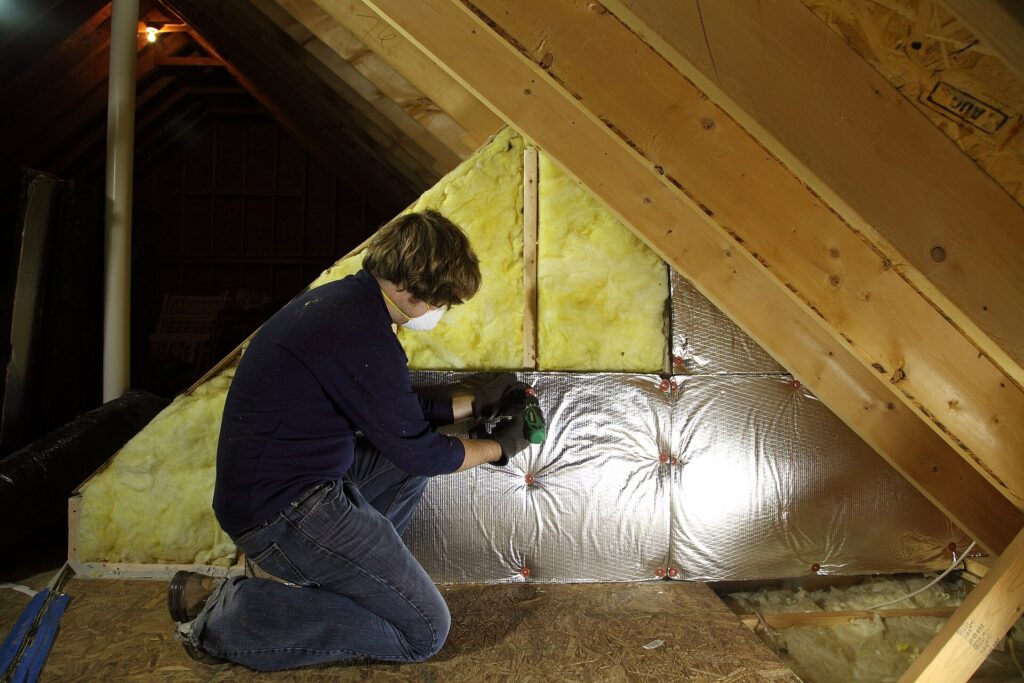
The attic is often where a house leaks the most air. Energy experts say attic leaks are among the biggest chances to cut energy use, and the work goes best before any new insulation is added.
Why seal before you insulate
Seal the attic floor first. Gaps in the ceiling between the attic and the rooms below let conditioned air escape and pull outdoor air in. Closing them saves energy and fuel, improves comfort and helps prevent moisture trouble in the attic. It also reduces the suction that draws soil gases such as radon up into the house.
What to seal
Look for holes where wires, pipes and ducts pass through the attic floor, around light fixtures and around chimneys and flues. Seams between the top of a wall and the drywall are another common leak, as are open soffits.
- Small gaps: sealant or caulk.
- Medium gaps: one-part spray foam.
- Large openings: solid rigid blocking, with metal blocking and collars around hot flues.
Clean the surface first so sealant sticks.
Is it a DIY job?
Attic sealing can be demanding, but the payoff is significant, and many homeowners tackle it if the attic is accessible and easy to move around in. Hire a professional if you find moldy or rotted rafters or joists, bathroom, kitchen or dryer vents that exhaust into the attic, or old knob-and-tube wiring, which is a fire hazard when it touches insulation.
Make a plan
A professional energy audit can pinpoint leaks and safety issues. Local utilities sometimes offer rebates for assessments and for air sealing and insulation work, so check before starting. Some federal tax credits also cover air sealing and insulation.
Filed under: Washington DC Home & Garden News