A large share of the money that rebuilds habitat and keeps hunting going in the United States does not come from the general Treasury. It comes from a long-running partnership among manufacturers, state wildlife agencies and the federal government.
A Depression-era law that is still at work
Congress created the Wildlife Restoration Program in 1937 under the Wildlife Restoration Act, often called Pittman-Robertson. The U.S. Fish and Wildlife Service describes it as the country’s oldest and most successful effort of its kind, and a model of conservation partnership for more than eight decades.
The Service sends grant dollars to the fish and wildlife agencies of the states and insular areas. Those projects restore, conserve and manage wild birds and mammals, along with the places they live.
Where the money comes from, and what it buys
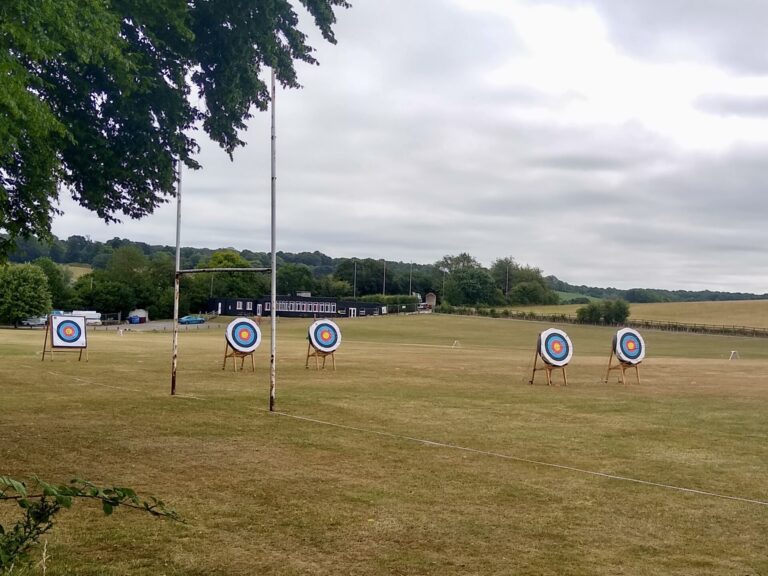
Manufacturers pay taxes on ammunition, firearms and archery gear, and that revenue funds the grants. States and territories use it to acquire and manage wildlife areas, run research, open access for wildlife-related recreation, teach hunter education, and build and operate shooting ranges.
The same federal office also runs Sport Fish Restoration grants, which follow a similar model for fish, boating access and aquatic education. The Service says those two grant families remain a cornerstone of its work with partners.
Buying a hunting license, and legally sold equipment, is one of the main ways everyday hunters support that system.
Filed under: Washington DC Hunting News
More coverage: Washington DC hunting