Composting turns food scraps and yard trimmings into a dark, crumbly soil amendment that improves garden soil. The federal environmental agency calls it one of the most powerful steps households can take to reduce trash, and it takes little equipment or expertise.
The four ingredients
A pile needs browns, greens, water and air. Browns are carbon-rich materials such as dry leaves, plant stalks and twigs, shredded non-glossy paper or cardboard, and untreated wood chips. Greens are nitrogen-rich materials like fruit and vegetable scraps, grass clippings, coffee grounds, paper tea bags and crushed eggshells.
What to leave out
Meat, fish, bones, cheese, dairy and fats attract animals and rarely break down fully in a backyard pile. Also skip pet waste and cat litter, diseased or pest-infested plants, aggressive weeds, treated or painted wood, glossy paper, dryer lint and produce stickers.
Build it step by step
- Pick a spot with good drainage that is easy to reach all year and close to a water source. Sun or shade both work.
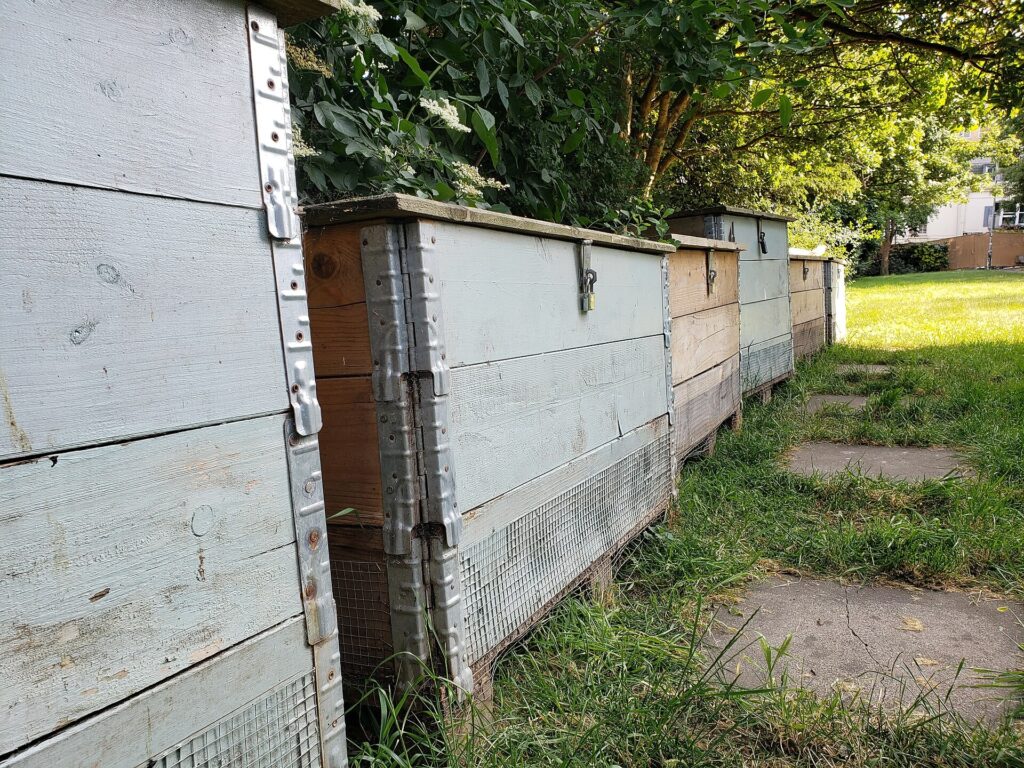
- Choose or build a bin from wire, wood or cinder blocks, or use a barrel or tumbler.
- Chopping, chipping or shredding material into smaller pieces helps it break down faster.
- Begin with a base of twigs and wood chips about four to six inches deep, then alternate greens and browns like lasagna.
- Add two to three times as much brown material as green by volume, and cover scraps with four to eight inches of browns.
- Keep the pile as moist as a wrung-out sponge and turn it with a garden fork now and then.
What to expect
A well-managed pile warms up as microbes work, sometimes reaching 130 to 160 degrees Fahrenheit, which helps limit pathogens and weed seeds. If you have no space, many communities run drop-off or collection programs for food scraps.
Putting finished compost to work
Compost helps soil absorb and hold water, reduces erosion, releases nutrients slowly and can cut the need for fertilizer. Spread it on garden beds and around plants.
Filed under: Washington DC Home & Garden News