No lake freezes evenly, and no ice is guaranteed safe. Thickness is still the first number to check, and natural resource agencies publish guidelines that anglers can use as a starting point before they step off shore.
Guidelines for new, clear ice
These figures from a state natural resources agency apply only to solid, clear ice formed in cold weather:
- Under 4 inches: stay off.
- 4 inches: walking, fishing and other on-foot activities.
- 5 to 7 inches: snowmobile or small ATV.
- 7 to 8 inches: side-by-side ATV.
- 9 to 10 inches: small car or SUV.
- 11 to 12 inches: medium SUV or small truck.
The numbers assume average equipment weight, and it is up to you to know what your vehicle, gear and group weigh. Parked loads need more. A person standing still needs 6 inches, for example, and a vehicle left in place for more than two hours needs thicker ice than one that is moving.
Thickness is not the whole story
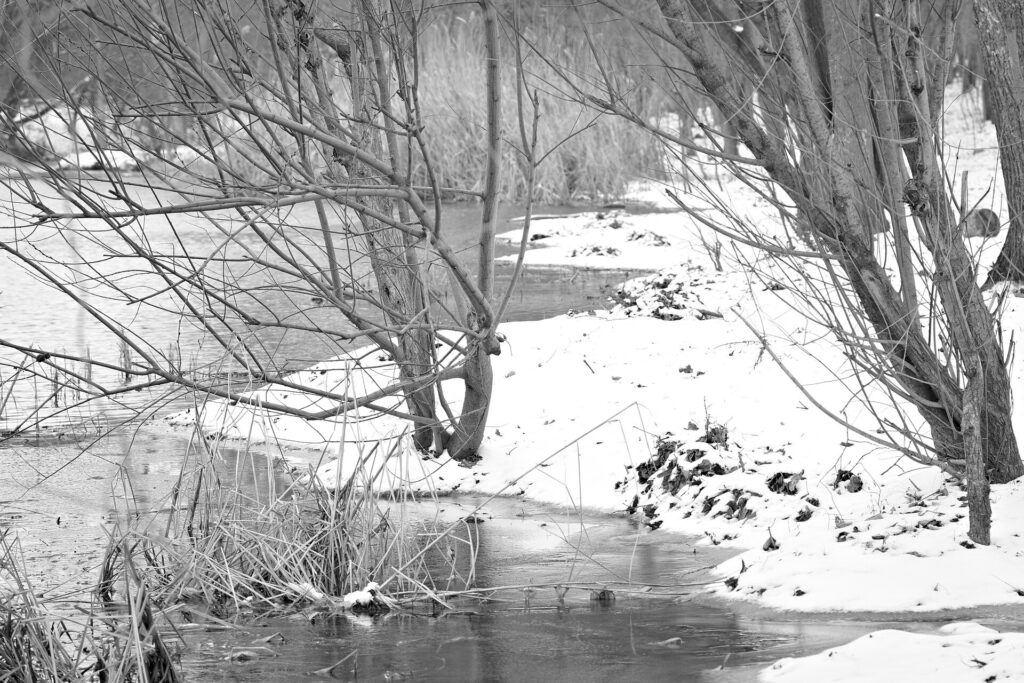
Thickness can swing from two feet to a single inch within a short walk. Air temperature, wind, snow cover, currents, springs, narrow areas, sun, shade and even fish and plant activity change how strong it is. A layer of snow that melts and refreezes forms white ice, which is only about half as strong as clear ice, so double the guideline thickness there.
Agencies also advise avoiding inlets, outlets and narrow channels where moving water thins the ice, and staying off ice that is cracked, slushy or milky.
Habits that reduce risk
- Check thickness with a spud bar, auger or tape measure as you go, not only at the shore.
- Carry ice picks, a life jacket and rope, and keep a phone in a waterproof bag.
- Do not go alone, travel in unfamiliar areas or head out at night.
- Ask local bait shops or fishing clubs about current conditions, since agencies generally do not monitor ice.
- Space out parked vehicles by at least 50 feet and move them every couple of hours.
Filed under: Washington DC Fishing News
More coverage: Washington DC fishing