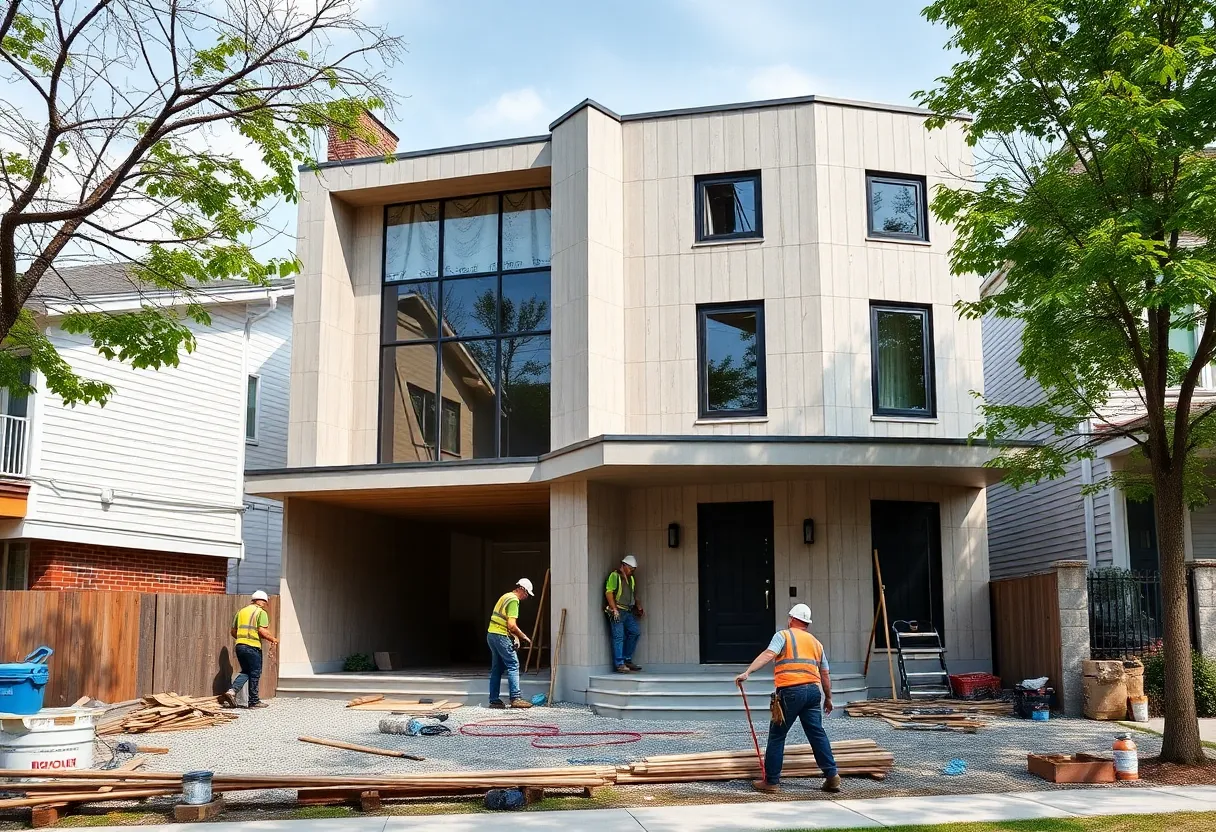


How to Effectively Use Neighborhood Reviews to Find Your Dream Home: A Guide for First-Time Buyers in Washington DC
Introduction
For first-time homebuyers in Washington DC, selecting a neighborhood is as critical as choosing the property itself. Neighborhood reviews provide invaluable insights into the community, safety, amenities, and quality of life that are not always evident through listings alone. Properly leveraging these reviews enables prospective homeowners to make informed decisions, aligning their preferences with neighborhood realities. This article offers a comprehensive guide on how to utilize neighborhood reviews effectively during your home search process.
Understanding the Value of Neighborhood Reviews
Why Are Neighborhood Reviews Important?
Neighborhood reviews serve as firsthand accounts of the living experience within a community. They shed light on aspects such as safety, transportation, schools, local businesses, and overall atmosphere. Unlike property listings, which focus on the physical features of a home, reviews reflect the day-to-day realities of residents, offering a more holistic view of the neighborhood’s character.
Limitations of Traditional Data
While demographic data, crime statistics, and school ratings are useful, they do not fully capture the intangible qualities—such as community engagement, noise levels, or aesthetic appeal—that heavily influence satisfaction. Neighborhood reviews fill this gap by providing qualitative insights, helping first-time buyers avoid surprises after moving in.
Locating Reliable Neighborhood Perspectives
Sources of Neighborhood Reviews
- Online review platforms: Websites dedicated to community feedback or real estate portals often include resident reviews.
- Social media groups: Local Facebook groups, Nextdoor, and community forums are vibrant sources of current resident opinions.
- Local blogs and neighborhood websites: Many communities maintain dedicated websites sharing insights and updates.
- Community events and visits: Attending local events or walking around the neighborhood can supplement digital reviews with firsthand impressions.
Assessing Review Credibility
Not all reviews carry equal weight. Consider reviewers’ perspectives, frequency, and specificity. Look for reviews that mention consistent themes or issues, rather than isolated anecdotal comments. Verified resident reviews tend to be more reliable than general comments without context.
Strategies for Analyzing Neighborhood Reviews
Identify Your Priorities
Before diving into reviews, clarify your key preferences—security, walkability, access to amenities, transportation options, or community vibe. Use these priorities as filters to interpret reviews relevant to your needs.
Focus on Common Themes and Patterns
Scan multiple reviews to detect recurring topics. For example, if several residents mention traffic congestion or noise during certain hours, these are likely genuine issues. Conversely, isolated or overly positive reviews may not provide an accurate picture.
Balance Subjective and Objective Feedback
Subjective comments about personal preferences should be weighed against objective data. Comments about friendliness or livability, when supported by statistics such as crime rates or public transit scores, create a more complete picture of the neighborhood.
Using Neighborhood Reviews to Evaluate Specific Aspects
Safety and Crime Rates
Look for reviews mentioning crime, safety concerns, or police presence. Cross-reference this qualitative data with official crime statistics or police reports for accuracy. A neighborhood with positive reviews about safety, coupled with low crime rates, offers peace of mind.
Transportation and Accessibility
Residents often comment on commute times, transit options, and walkability. If your lifestyle requires reliable public transit, reviews highlighting proximity to metro stations or bus routes are invaluable.
Educational Environment
For families, reviews related to local schools or extracurricular activities matter. Feedback from parents about school quality, after-school programs, and safety helps gauge educational suitability.
Community and Lifestyle
Comments about neighborhood friendliness, cultural events, or recreational facilities assist in assessing whether a community aligns with your social preferences.
Integrating Neighborhood Reviews into Your Decision-Making
Combine Reviews with Quantitative Data
Use qualitative insights from reviews alongside official data such as crime statistics, school ratings, and infrastructure reports. This integrated approach reduces bias and provides a comprehensive assessment.
Visit in Person
While reviews offer a snapshot, firsthand experience solidifies understanding. Walk the neighborhood at different times of day, visit local shops, and observe resident interactions to validate review insights.
Engage with Residents
Direct conversations with current residents can clarify ambiguities in reviews and offer personalized perspectives. Engage politely, asking about their experiences and community dynamics.
Avoiding Common Pitfalls in Using Neighborhood Reviews
Beware of Bias and Overly Positive or Negative Reviews
Extreme opinions may exaggerate issues or virtues. Seek a balanced view by reading multiple reviews across platforms.
Don’t Rely Solely on Online Reviews
Reviews should support, not replace, objective research and personal observations. Always corroborate digital impressions with data and in-person visits.
Recognize the Limitations of Reviews
Community dynamics are subject to change. Reviews reflect a specific moment; long-term trends may differ. Keep an eye on recent feedback and neighborhood developments.
Case Study: Applying Review Insights in Washington DC
In Washington DC, neighborhoods such as Capitol Hill, Dupont Circle, and Anacostia each exhibit unique community traits. For example:
- Capitol Hill: Often praised for its charming architecture, walkability, and active local scene. Reviewers cite safety and accessible amenities.
- Dupont Circle: Known for vibrant nightlife and diverse community, with reviews highlighting livability but occasional concerns about congestion.
- Anacostia: Historically underserved but undergoing revitalization. Recent reviews note improvements and community pride, balanced with ongoing challenges.
Evaluating reviews across these neighborhoods helps narrow options aligned with personal priorities such as commute time, safety, and community atmosphere.
Conclusion
Effectively leveraging neighborhood reviews constitutes a strategic component of the home-buying process for first-time buyers in Washington DC. By understanding the core value of qualitative insights, assessing credibility, and integrating them with objective data, buyers can make well-informed decisions. Thorough analysis, personal validation, and balanced judgment enable prospective homeowners to find a neighborhood that truly resonates with their lifestyle and future goals, ultimately leading to a more satisfying homeownership experience.

Author: STAFF HERE WASHINGTON DC
The WASHINGTON DC STAFF WRITER represents the experienced team at HEREWashingtonDC.com, your go-to source for actionable local news and information in Washington, DC, and beyond. Specializing in "news you can use," we cover essential topics like product reviews for personal and business needs, local business directories, politics, real estate trends, neighborhood insights, and regional news affecting the area—with deep expertise drawn from years of dedicated reporting and strong community input, including local press releases and business updates. We deliver top reporting on high-value events such as the National Cherry Blossom Festival, Kennedy Center Honors, and the Washington Auto Show. Our coverage extends to key organizations like the Greater Washington Board of Trade and Destination DC, plus leading businesses in government contracting and technology that power the local economy such as Lockheed Martin and Amazon. As part of the broader HERE network, we provide comprehensive, credible insights into the dynamic landscape of the Washington metropolitan area.