
How to Identify Your Home’s Unique Style: Tips for a Customized Renovation
Understanding your home’s unique style forms the foundation for a personalized renovation process. It ensures that modifications reflect your personality, lifestyle, and aesthetic preferences. Identifying this style involves a systematic evaluation of design elements, personal tastes, and architectural features. This article outlines clear strategies to help you recognize and articulate your home’s distinctive character, thereby facilitating a tailored renovation approach.
The Significance of Recognizing Your Home’s Personal Style
Identifying your home’s style isn’t merely about aesthetics; it’s a strategic step that influences every decision—from color schemes to material choices. It leads to cohesive designs that resonate with your identity. When homeowners understand their style, renovations become more intentional and less impulsive, reducing costly mistakes and ensuring satisfaction in the long term.
Moreover, a well-defined style acts as a blueprint for architects, designers, and contractors. It streamlines communication and aligns expectations throughout the renovation, ensuring the final result consistently echoes your vision.
Steps to Discover Your Home’s Unique Style
1. Conduct a Personal Inventory of Your Preferences
Begin with introspection. Identify elements that evoke positive feelings and reflect your personality. Consider:
- Colors you are naturally drawn to
- Textures that feel comforting or appealing
- Patterns or motifs that attract your attention
- Furniture styles you find appealing
- Material preferences—wood, metal, glass, etc.
Creating a mood board or digital collage can synthesize these elements, revealing recurring themes and guiding your style recognition process.
2. Analyze Existing Architectural Features
Assess your home’s architecture. Elements such as window styles, ceiling heights, floor materials, and molding details offer clues about its original style. For instance:
- Victorian homes often feature ornate details and bay windows.
- Modern designs tend to emphasize minimalism and clean lines.
- Farmhouse styles incorporate rustic touches and wide porches.
Recognizing these features helps determine whether your home aligns more with traditional, modern, transitional, or eclectic categories, or if it blends multiple styles.
3. Identify Influences and Inspirations
Visit design magazines, websites, or showrooms to gather inspiration. Focus on styles that consistently catch your eye. Key categories include:
- Contemporary
- Industrial
- Bohemian
- Scandinavian
- Vintage or retro
Note common elements within these styles. Your favorites often serve as a foundation for understanding your home’s personality.
4. Spot the Common Theme or Mood
Look for overarching themes or moods that resonate with you. Do you prefer:
- Warmth and coziness—perhaps a Rustic or Farmhouse style
- Sophistication and elegance—leaning towards Traditional or Transitional styles
- Cleanliness and simplicity—suggesting a Modern or Minimalist approach
- Eclectic and vibrant—indicating an Artistic or Bohemian style
Understanding this emotional connection will help anchor your style identity.
Distinguishing Between Different Style Elements
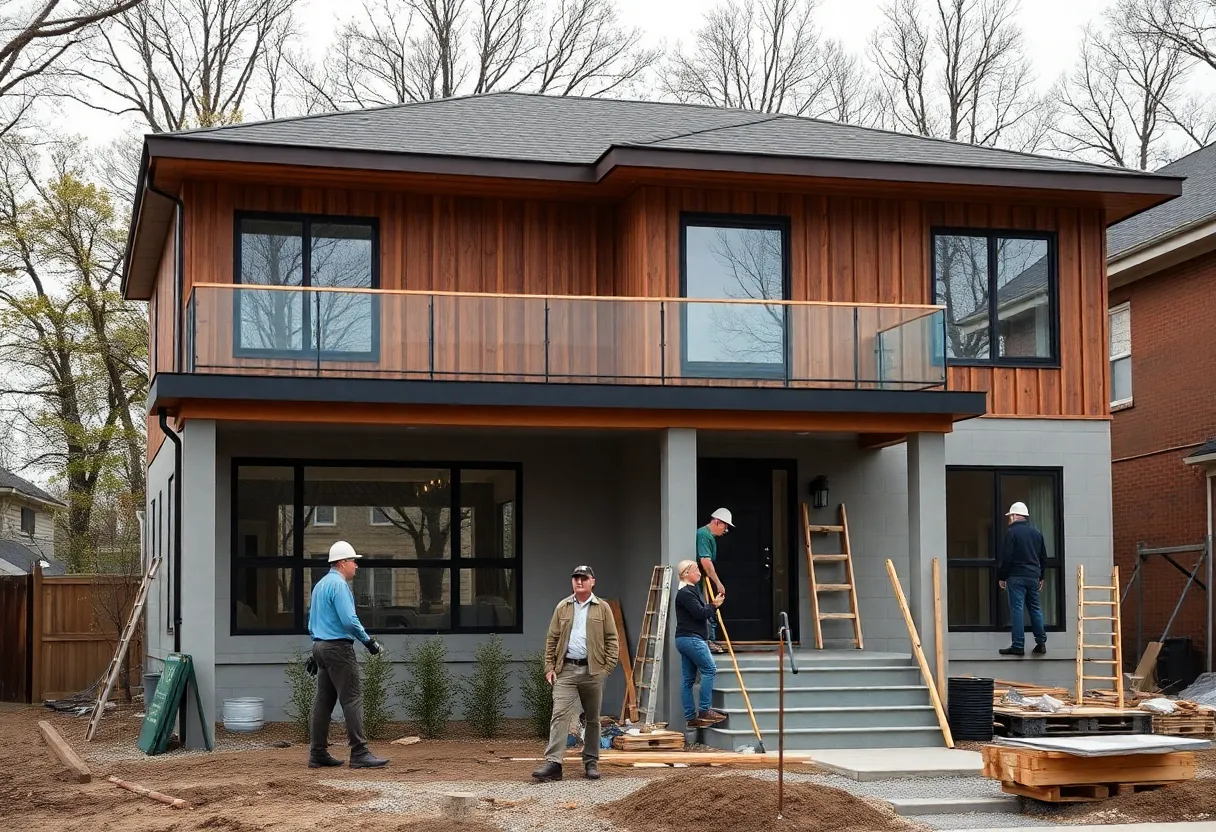
Architectural Details and Structural Elements
These define the core of your home’s style. Examine:
- Roof shapes and pitches
- Window and door types
- Floor plan layouts
- Exterior cladding materials
Matching these features with interior design choices creates a seamless, authentic aesthetic.
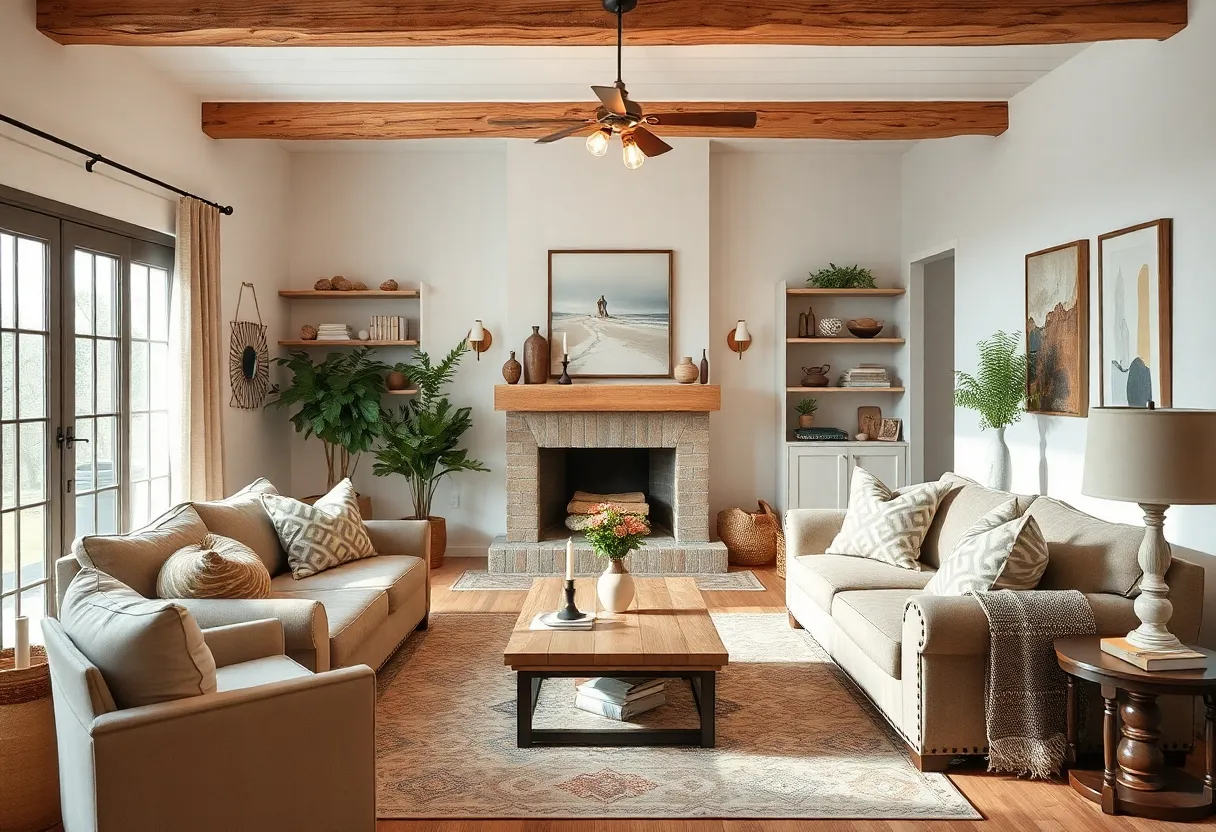
Interior Features and Finishes
Identify prevalent interior themes by inspecting:
- Wall treatments—paint, wallpaper, paneling
- Flooring—wood, tile, carpet
- Lighting fixtures—industrial pendants, chandeliers, recessed lighting
- Built-in features—fireplaces, shelving, moldings
Recurrent design elements suggest a cohesive style foundation.
Color Palettes and Material Choices
Colors and materials shape the ambiance of your space. Recognize trends in your selection—whether neutral tones, bold accents, natural woods, or metal finishes—and how they relate to particular styles.
Creating a Cohesive Style Profile
Consolidate your findings to develop a comprehensive style profile. Include:
- Primary style or blends (e.g., Modern Farmhouse)
- Characteristic color schemes
- Preferred materials and textures
- Interior and exterior architectural elements
This profile guides your renovation decisions, ensuring consistency and authenticity in your home’s transformation.
Utilizing Style Profiles for a Tailored Renovation
1. Collaborate with Design Professionals
Share your style profile with architects or designers. Clear communication minimizes misinterpretations. Their expertise refines your ideas into functional, aesthetic solutions that honor your style.
2. Select Materials and Finishes Consistently
Choose elements that align with your identified style. For example, if embracing a Scandinavian look, prioritize light woods, simple lines, and monochromatic palettes. In a Rustic style, opt for reclaimed wood, wrought iron, and earthy tones.
3. Optimize Layouts and Architectural Features
Reshape floor plans, lighting, and architectural details to enhance thematic cohesion. Structural modifications should respect your home’s style origins while adding personalized touches.
4. Personalize with Decor and Accessories
Incorporate artwork, textiles, and decor that reflect your personal taste within the established style framework. This brings authenticity and warmth to your renovated space.
Common Mistakes to Avoid in Style Identification and Renovation
- Overlooking architectural compatibility: Renovating with a style that conflicts with your home’s structure leads to incoherence.
- Ignoring practical considerations: Style choices must also meet lifestyle needs and budget constraints.
- Forcing trends: Trends fade; prioritizing timeless elements ensures lasting satisfaction.
- Neglecting existing features: Embrace character-defining elements instead of overhauling every detail.
Conclusion
Identifying your home’s unique style is a strategic process fundamental to a successful, customized renovation. It involves honest self-assessment, careful analysis of structural elements, and inspiration alignment. By systematically defining your style profile, you set a clear direction for all design decisions. This approach results in a home that genuinely reflects your personality and enhances your living experience. Clarity in style fosters coherence, ensuring your renovation embodies your vision with precision and elegance.
Remember: The key is consistency. When your vision is clear, each renovation detail contributes to creating a harmonious, personalized space that stands the test of time.

Author: STAFF HERE WASHINGTON DC
The WASHINGTON DC STAFF WRITER represents the experienced team at HEREWashingtonDC.com, your go-to source for actionable local news and information in Washington, DC, and beyond. Specializing in "news you can use," we cover essential topics like product reviews for personal and business needs, local business directories, politics, real estate trends, neighborhood insights, and regional news affecting the area—with deep expertise drawn from years of dedicated reporting and strong community input, including local press releases and business updates. We deliver top reporting on high-value events such as the National Cherry Blossom Festival, Kennedy Center Honors, and the Washington Auto Show. Our coverage extends to key organizations like the Greater Washington Board of Trade and Destination DC, plus leading businesses in government contracting and technology that power the local economy such as Lockheed Martin and Amazon. As part of the broader HERE network, we provide comprehensive, credible insights into the dynamic landscape of the Washington metropolitan area.