
What Are the Key Elements to Consider When Designing a Functional Laundry Room in Your Home Renovation?
Renovating a laundry room offers a unique opportunity to blend practicality with style. A well-designed laundry space can streamline chores, improve organization, and enhance overall home value. To achieve this, attention to key design elements is essential. This article discusses critical considerations that ensure your laundry room is both functional and efficient.
1. Assessing Space and Layout
Maximize Available Space
The first step involves evaluating the scope of your space. Whether you have a dedicated room or a small corner, understanding its dimensions guides your design. Compact spaces require thoughtful layout planning to avoid clutter and optimize workflow.
Choosing the Optimal Layout
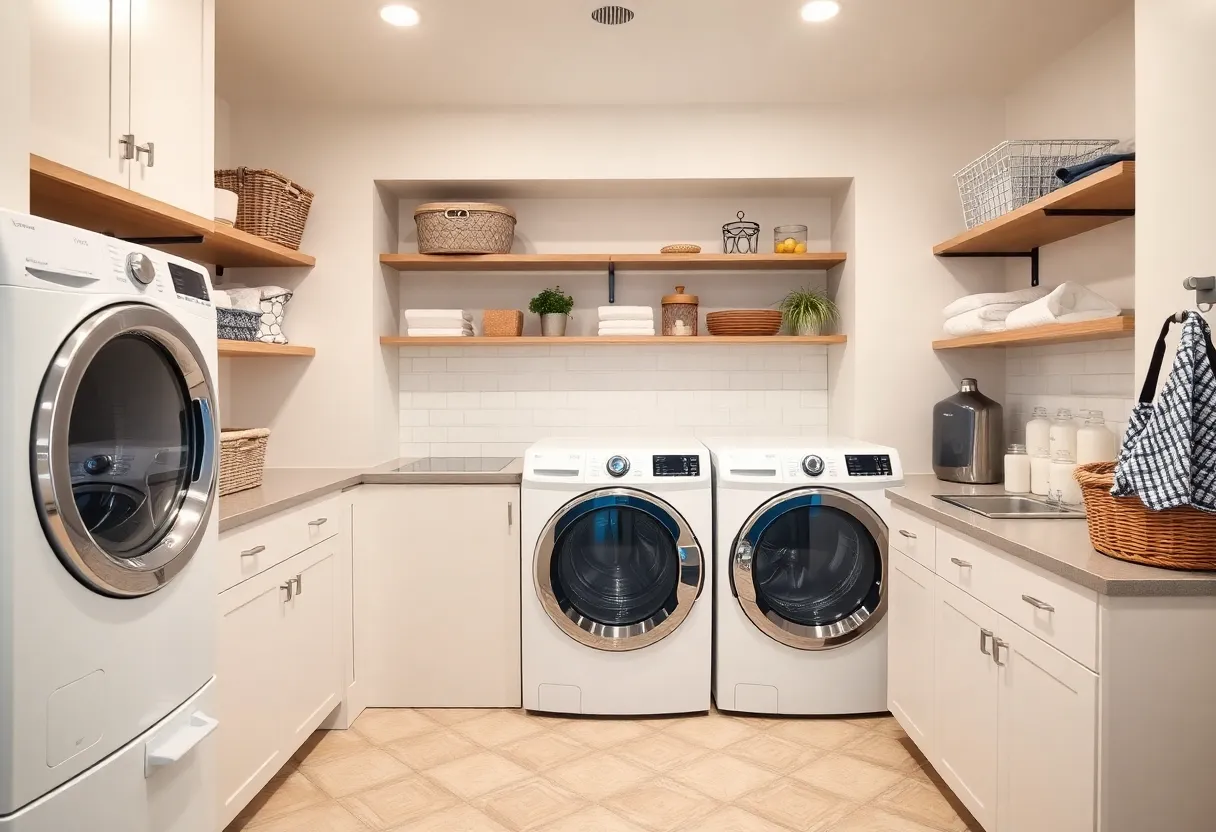
Define a logical sequence for laundry tasks. The most efficient design often follows a work triangle pattern involving the washer, dryer, and folding area. Vertical stacking of appliances is advantageous in tight areas, saving floor space. Alternatively, side-by-side models facilitate easier transfer of laundry between machines.
Flow Efficiency
Arrange key stations to minimize movement. Place the hamper or laundry bin near the entry point, followed by the washer and dryer, then the folding or ironing station. Proper layout reduces fatigue and saves time.
2. Selecting Appropriate Fixtures and Appliances
Choosing Appliances
Invest in high-efficiency, durable appliances suited to your household size. *Energy-efficient washers and dryers* not only save energy but also reduce utility bills. Consider features like steam cycles, quiet operation, and quick wash options.
Fixture Materials
Opt for sturdy, water-resistant fixtures that can endure high moisture and frequent cleaning. Corrosion-resistant sinks, countertops, and cabinetry prolong the lifespan of your laundry space.
3. Storage Solutions and Organization
Efficient Storage Design
Incorporate a variety of storage options — shelves, cabinets, and drawers. Use vertical space for overhead cabinetry and wall-mounted racks. Include dedicated spaces for detergents, fabric softeners, and other supplies.
Incorporating Flexibility
Design versatile storage units that can adapt. Use pull-out bins, adjustable shelving, and modular cabinetry to accommodate changing needs or additional appliances.
Clutter Control
Maintain order with designated zones for clean and dirty laundry, sorting stations, and ironing areas. Use labeled bins or baskets to streamline processes.
4. Lighting and Ventilation
Effective Lighting
Achieve a well-lit environment with a mix of ambient, task, and accent lighting. Bright LED fixtures reduce eye strain and improve visibility, especially in areas used for detailed tasks like sewing or folding.
Proper Ventilation
Install adequate exhaust fans and ensure proper airflow to prevent humidity buildup. Ventilation reduces mold risk and maintains air quality, critical in moisture-rich spaces like laundry rooms.
5. Choosing Waterproof and Durable Materials
Flooring
Select water-resistant flooring such as ceramic tile, vinyl, or epoxy coatings. These materials withstand spills, moisture, and cleaning agents.
Countertops and Surfaces
Use sealed stone, laminate, or composite materials that resist water damage and scratches. Durable surfaces stand up to daily wear and tear.
6. Incorporating Smart Technology
Smart Appliances
Integrate Wi-Fi-enabled washers and dryers for remote monitoring and control. These devices support energy efficiency and device management.
Additional Tech Features
Include automated lighting, sensor-activated faucets, and home security integrations for a high-tech, user-friendly environment.
7. Ergonomics and User Comfort
Counter Height and Accessibility
Design counters and washing stations at ergonomic heights to reduce strain. Incorporate sink depths and workspace areas accessible to all users.
Reducing Noise and Vibration
Use sound-insulating materials and vibration pads under appliances. Quiet operation enhances comfort, especially in multi-use or shared spaces.
8. Aesthetic Considerations
Color and Style Cohesion
Choose color schemes and finishes that complement your overall home design. Light colors can make small spaces appear larger, while darker tones add sophistication.
Design Elements
Incorporate functional accessories like decorative baskets, attractive shelving, and stylish hardware to enhance visual appeal without sacrificing practicality.
9. Practical Features for Ease of Use
Lighting and Electrical Outlets
Position outlets strategically for appliances and small devices. Ensure adequate lighting over work zones and near the laundry sink.
Hanging and Drying Opportunities
Install clothes rods, retractable drying racks, or wall-mounted lines to facilitate air drying and reduce appliance load.
10. Safety Measures
Water Safety
Incorporate spill containment trays, leak detectors, and shut-off valves. Regularly inspect hoses and connections to prevent water damage.
Fire and Electrical Safety
Ensure electrical wiring adheres to code, with GFCI outlets near water sources. Maintain clear access to circuit breakers and fire extinguishers.
Conclusion
Designing a functional laundry room hinges on meticulous planning and attention to detail. Prioritize space efficiency, durable materials, ergonomic layout, and effective storage. Combine these elements with proper lighting, ventilation, and modern technology. This holistic approach results in a space that simplifies chores, enhances safety, and integrates seamlessly into your home.
Ultimately, a well-considered laundry room is an investment that adds both convenience and value. It transforms an often-overlooked area into a streamlined, enjoyable part of your home renovation journey.

Author: STAFF HERE WASHINGTON DC
The WASHINGTON DC STAFF WRITER represents the experienced team at HEREWashingtonDC.com, your go-to source for actionable local news and information in Washington, DC, and beyond. Specializing in "news you can use," we cover essential topics like product reviews for personal and business needs, local business directories, politics, real estate trends, neighborhood insights, and regional news affecting the area—with deep expertise drawn from years of dedicated reporting and strong community input, including local press releases and business updates. We deliver top reporting on high-value events such as the National Cherry Blossom Festival, Kennedy Center Honors, and the Washington Auto Show. Our coverage extends to key organizations like the Greater Washington Board of Trade and Destination DC, plus leading businesses in government contracting and technology that power the local economy such as Lockheed Martin and Amazon. As part of the broader HERE network, we provide comprehensive, credible insights into the dynamic landscape of the Washington metropolitan area.