
How to Effectively Research Local Schools to Enhance Your First Home Buying Decision for Washington DC
Introduction
Choosing a home in Washington DC involves more than evaluating property prices or neighborhood aesthetics. One of the most critical factors impacting your long-term satisfaction and financial stability is the local school system. Access to quality education is not only a priority for families with children but also a significant consideration for future resale value.
This comprehensive guide provides a structured approach to researching local schools effectively. It emphasizes key aspects to consider and practical methods to gather accurate, relevant information—helping you make more informed, confident decisions in Washington DC’s diverse neighborhoods.
Understanding the Importance of School Quality in Home Selection
Why School Performance Matters
School quality directly influences property values and community development. Homes within high-performing school zones tend to appreciate faster and retain value better over time. Furthermore, families often prefer neighborhoods with reputable schools, impacting demand and resale prospects.
Researching schools thoroughly before purchasing ensures that you align your housing choice with educational quality, thereby safeguarding your investment and providing stability for your family.
Identifying Your Priorities
Begin by defining your specific goals. Are you primarily seeking a neighborhood with excellent public schools? Or are you considering alternative options like private or charter institutions? Clarify if proximity to certain schools, special academic programs, extracurricular activities, or school philosophies are important. This focus will sharpen your research and help target the most relevant information.
Gathering Initial School Data
Leverage Official School District Resources
In Washington DC, the public school system is managed by the District of Columbia Office of the State Superintendent of Education (OSSE). Their website provides essential data such as school attendance zones, enrollment statistics, and performance reports. Use these official sources as your starting point.
Identify the designated schools for specific neighborhoods or addresses through district boundary maps. This ensures accurate knowledge of which schools serve your desired location, a fundamental step before further evaluation.
Utilize State and Local Education Reports
Look for annual or periodic school report cards, which contain standardized testing scores, graduation rates, and other academic indicators. These reports offer a transparent overview of each school’s performance, allowing you to compare schools objectively. Focus on key metrics such as test scores, college readiness indicators, and student-teacher ratios.
Additionally, examine data on student demographics, English language learner percentages, and special education enrollment. These factors can reflect the inclusivity and resource availability of schools.
Assessing School Quality Beyond Numbers
Visit Schools in Person
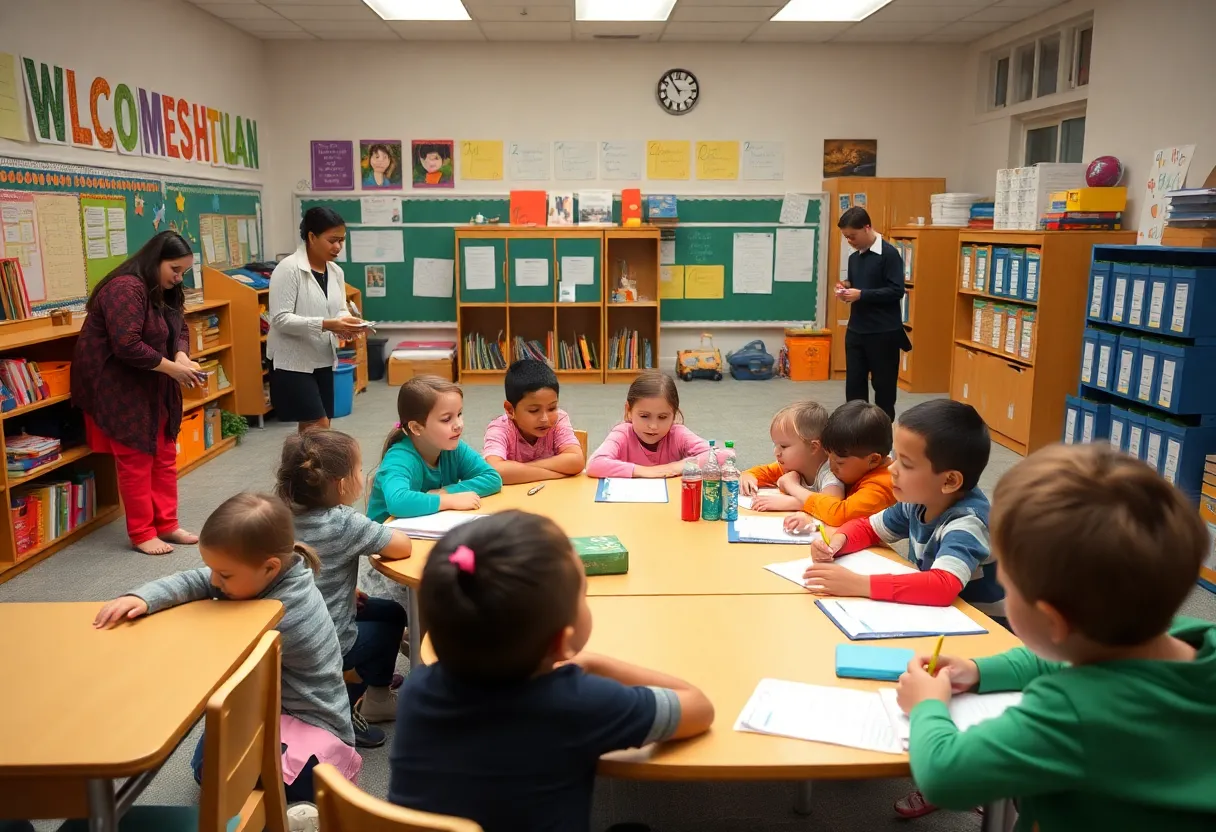
Scheduled visits allow you to observe the school environment, facilities, and student engagement firsthand. Attend open houses, parent meetings, or tour sessions. Pay attention to cleanliness, safety protocols, and the interaction among staff and students.
Engagement from teachers and administrators, as well as parent involvement, often correlates with overall school quality.
Speak with Local Parents and Community Members
Engaging with residents can reveal insights not captured in official reports. Ask about their experiences regarding academic rigor, extracurricular opportunities, and community culture. Informed feedback helps you gauge perceived strengths and weaknesses of specific schools.
Participate in community events and neighborhood forums for broader perspectives. This local intelligence enables a more nuanced understanding of schools’ reputations and day-to-day realities.
Evaluating Academic Performance and Curriculum
Analyze Test Scores and Academic Outcomes
Compare standardized test results across schools to identify those with consistent high performance. Look for trends over multiple years to assess stability. Consider factors like college admission rates and advanced placement offerings that underscore academic rigor.
Complement data with qualitative reports about school culture, discipline policies, and student support services.
Assess Extracurricular and Specialized Programs
Investigate whether schools offer programs aligning with your child’s interests or needs—arts, STEM, special education, or language immersion. These enrich educational experiences and can influence your decision significantly.
Determine the availability of extracurricular activities, sports, and leadership opportunities that contribute to comprehensive student development.
Measuring School Safety and Environment
Review Safety Records and Policies
Check school safety reports, incident logs, and suspension rates to understand discipline climate. A secure environment fosters better learning outcomes and peace of mind for families.
Inquire about security measures, visitor policies, and community involvement in promoting safety.
Assessing School Climate and Inclusivity
A welcoming, inclusive environment encourages student engagement and diversity appreciation. Observe interactions during visits and gather insights from parental feedback about school culture and respect among students and staff.
Understanding Logistics and Accessibility
Proximity and Commute Times
Efficient access to your home, transportation options, and traffic patterns influence daily routines and stress levels. Use mapping tools to calculate commute times and identify public transportation routes.
Consider walkability and safety for children traveling to and from school, especially in urban settings like Washington DC.
Transportation Support and Policies
Check if schools provide bus services or transportation vouchers. Some institutions might have policies that impact your choice based on convenience or affordability.
Long-Term Considerations and Future Planning
Assessing School Development and Sustainability
Research upcoming investments, new programs, or school consolidations. Long-term plans can enhance or diminish a school’s attractiveness.
Stay informed about district initiatives aimed at improving facilities, staffing, or curricula to anticipate future quality.
Resale Implications and Community Growth
Homes in neighborhoods with reputable schools tend to appreciate more steadily. Consider the trends in school performance and community demographics to project future neighborhood development.
This foresight ensures your investment aligns with both educational and financial growth trajectories.
Summarizing and Making an Informed Decision
Integrate all gathered data into a comprehensive comparison matrix. Weigh factors such as academic performance, environment, accessibility, and community reputation.
Prioritize your non-negotiables—academic excellence, safety, inclusivity—and balance them against other housing considerations.
Remember, no school is perfect; aim for the best fit based on verified data and personal priorities.
Conclusion
Researching local schools effectively is an essential component of a successful first home purchase in Washington DC. Through structured data collection, in-person assessments, community engagement, and future outlooks, you can make a decision rooted in solid, comprehensive understanding.
Adopting this rigorous approach not only benefits your child’s education but also enhances your property’s value and your family’s overall wellbeing. In the competitive and diverse landscape of Washington DC, knowledge truly empowers informed, strategic home buying.

Author: STAFF HERE WASHINGTON DC
The WASHINGTON DC STAFF WRITER represents the experienced team at HEREWashingtonDC.com, your go-to source for actionable local news and information in Washington, DC, and beyond. Specializing in "news you can use," we cover essential topics like product reviews for personal and business needs, local business directories, politics, real estate trends, neighborhood insights, and regional news affecting the area—with deep expertise drawn from years of dedicated reporting and strong community input, including local press releases and business updates. We deliver top reporting on high-value events such as the National Cherry Blossom Festival, Kennedy Center Honors, and the Washington Auto Show. Our coverage extends to key organizations like the Greater Washington Board of Trade and Destination DC, plus leading businesses in government contracting and technology that power the local economy such as Lockheed Martin and Amazon. As part of the broader HERE network, we provide comprehensive, credible insights into the dynamic landscape of the Washington metropolitan area.