Thunderstorm Safety for Anglers and Boaters
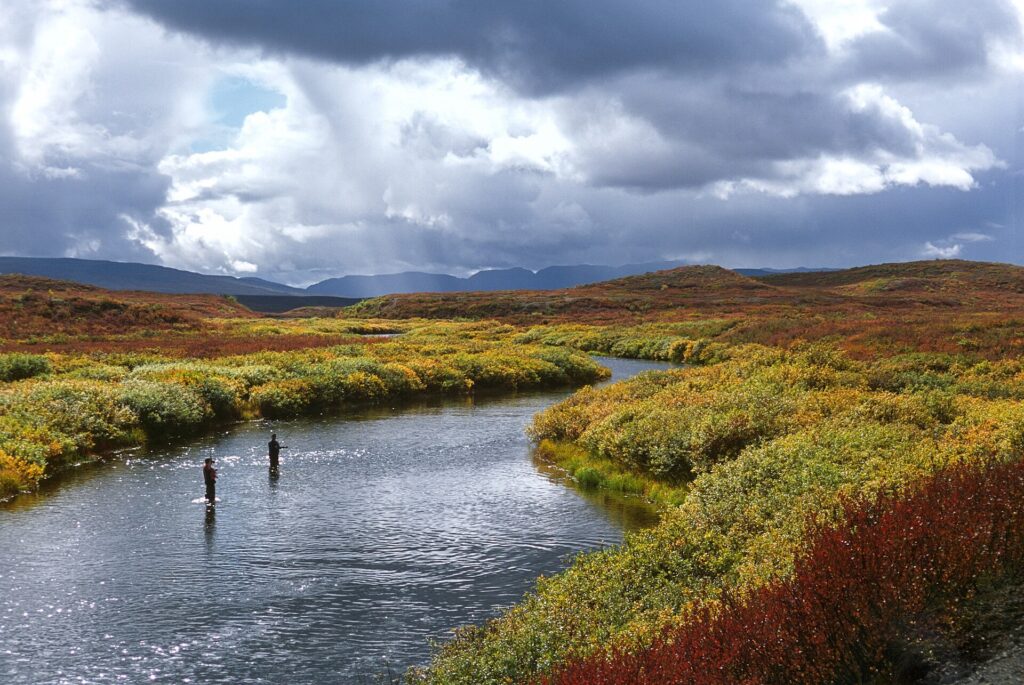
Open water, wet ground and a graphite rod are a poor mix when storms build. Weather Service advice is plain: if thunder is audible, you are close enough to be hit, and it is time to get to shelter. How often lightning strikes The country sees on the order of 25 million flashes a year.
How Fishing Licenses and Tackle Taxes Fund Conservation
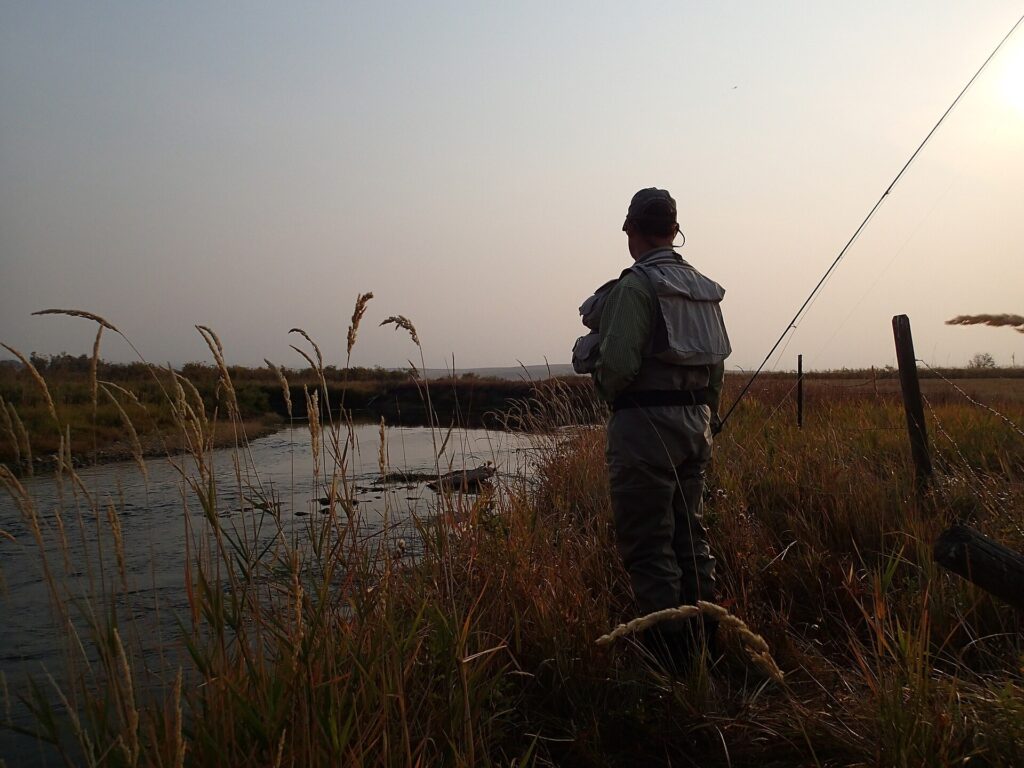
A fishing license is not only a permit. Together with taxes baked into the price of tackle and boats, it feeds a federal system that has paid for fishery work for generations. A 1950 law with a clear job The Sport Fish Restoration Program began in 1950, when fish stocks were in decline and Congress
What to Do With Old Fishing Line
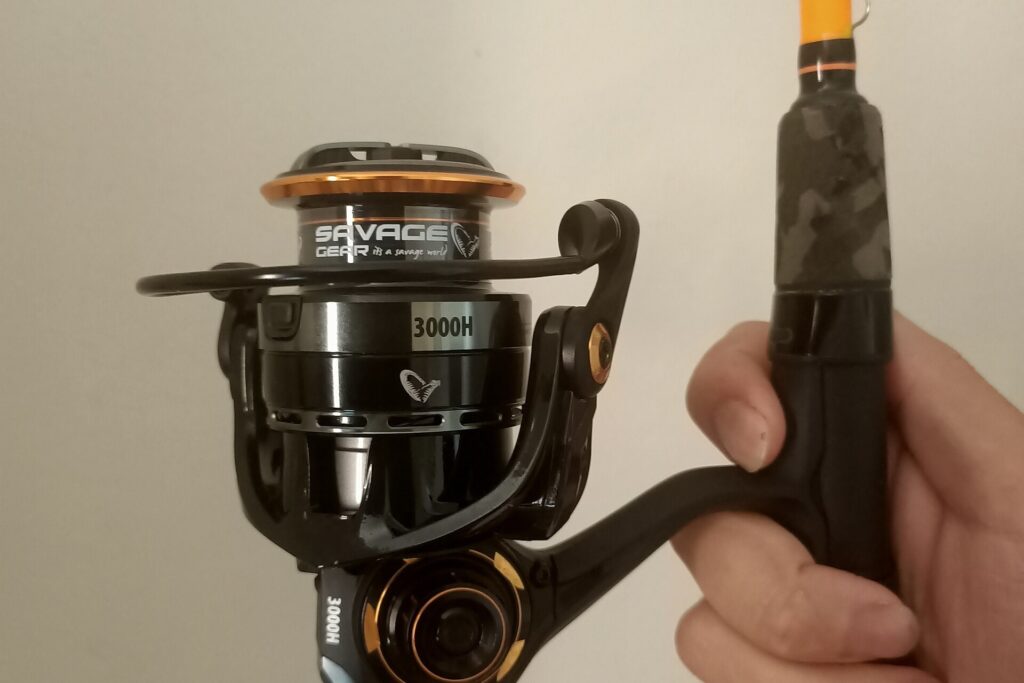
Fishing line is cheap, thin and nearly invisible, which is why so much of it ends up in the water. Wildlife agencies treat it as a serious litter problem, and fixing it takes only a few habits on the bank or at the boat ramp. Why it matters Most monofilament is non-biodegradable and can persist
Clean Drain Dry and How Anglers Stop Invasive Species
Invasive plants, fish and mussels cost money and wreck habitat once they take hold, and fishing and boating are two ways they travel. The good news from wildlife agencies is that these invasions are preventable, and a few habits you can repeat after every outing. How hitchhikers travel Aquatic invasive species can ride on hulls,
Catch and Release Habits That Help Fish Survive
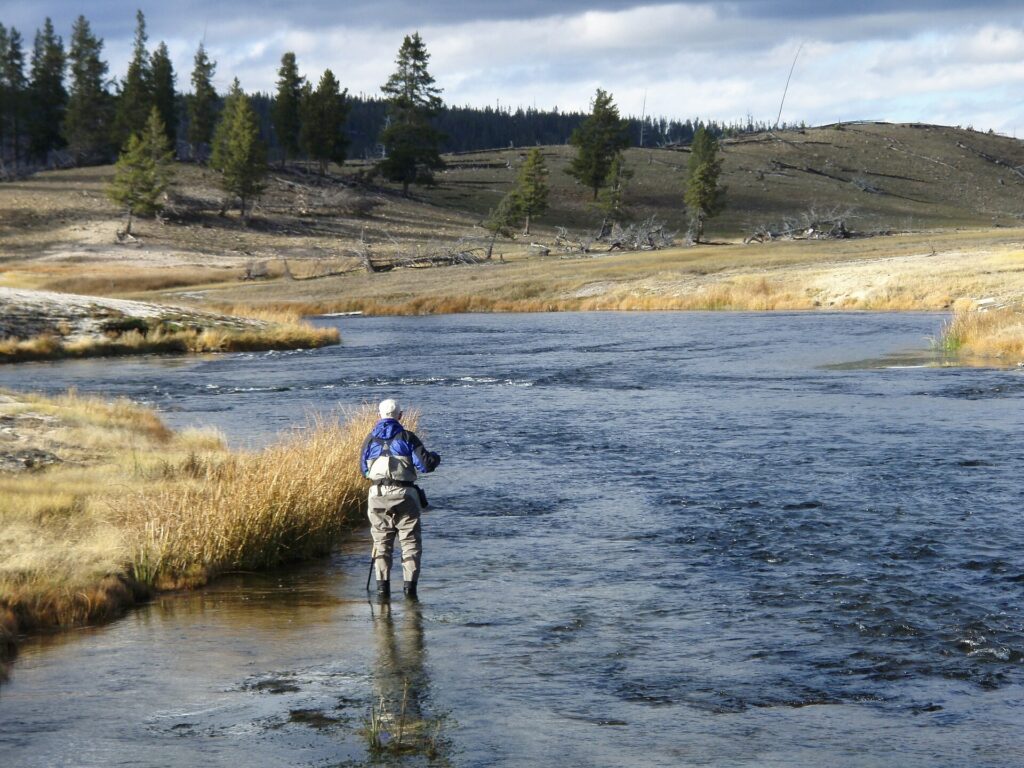
Catch and release only works if the fish lives. Fisheries scientists point out that simply letting go does not guarantee survival, but the choices you make before, during and after landing a fish can change the odds a lot. Before the hook is set Use barbless hooks, or crimp the barbs, and follow local rules
Is the Fish You Caught Safe to Eat
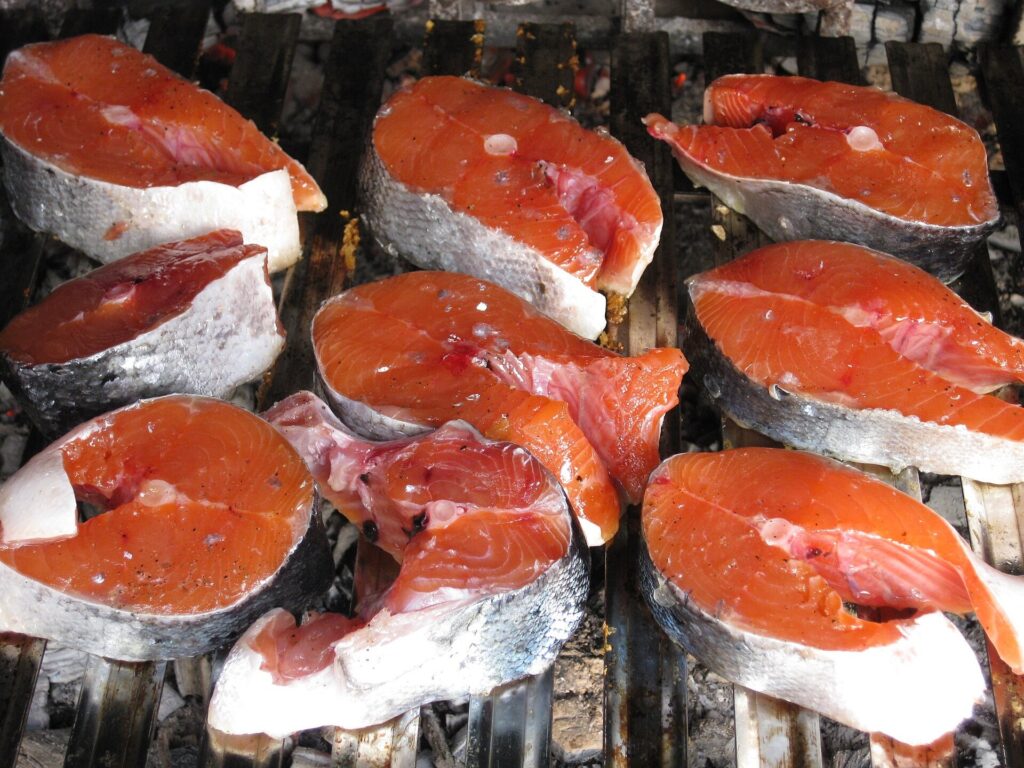
Fish are a lean source of protein and other nutrients, and a day on the water often ends with dinner. Before you cook, it is worth a few minutes to check whether the water you fished has an advisory, because contaminants can build up in some species. What advisories are State, territorial and Tribal governments
Choosing and Wearing a Life Jacket for Fishing Trips
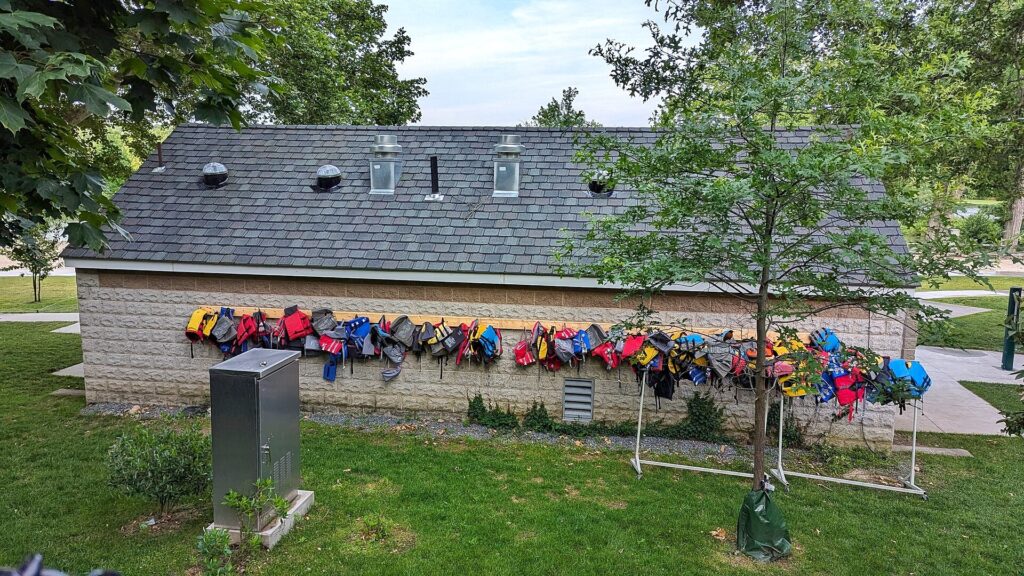
A life jacket does nothing from under a seat. Coast Guard guidance puts it simply: the best one is the one you will actually wear, and modern designs make that easier for anglers than it used to be. Why wear it on nice days It is tempting to skip a jacket in sun and calm
How to Get Out If You Fall Through the Ice
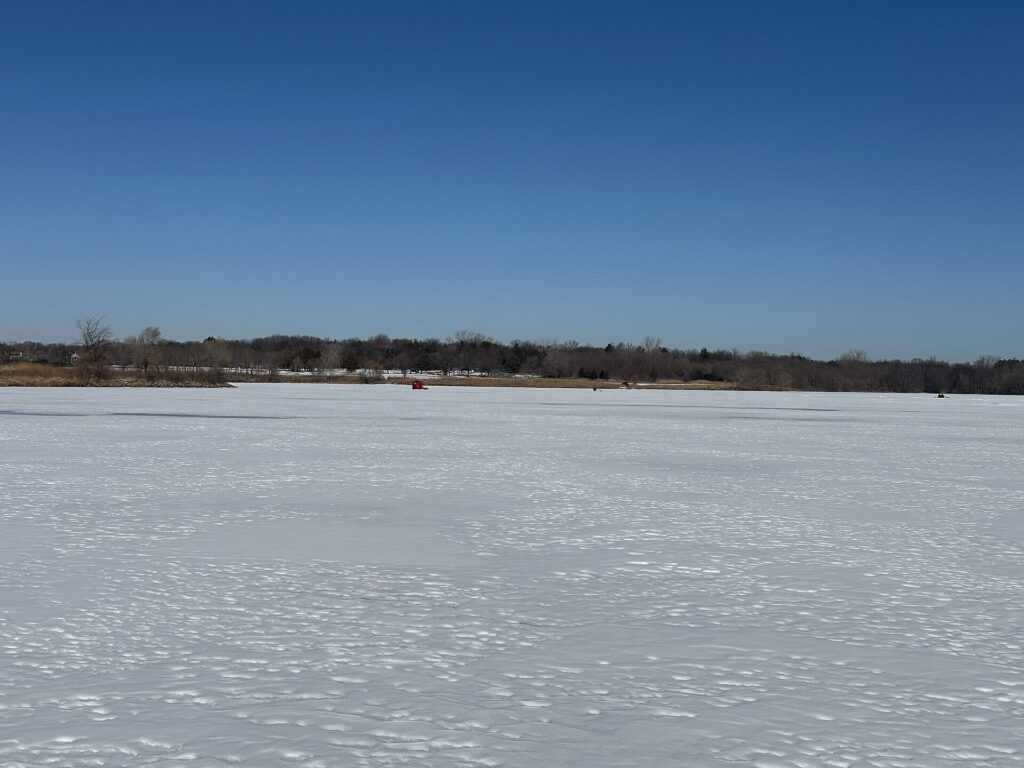
Falling through ice is frightening, but people who have a plan and the right gear regularly get themselves out. Natural resource agencies teach the same sequence of steps, and it helps to rehearse them before the season. The self-rescue steps Stay calm and act quickly. Panic wastes the short time your muscles work well. Keep
How Thick Is Thick Enough for Ice Fishing
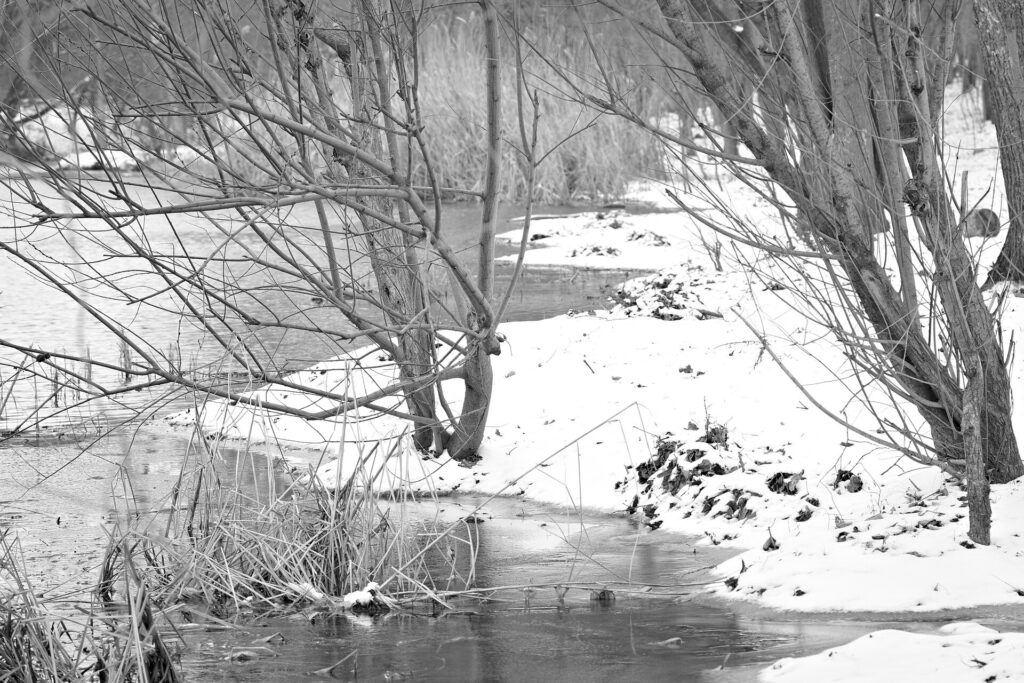
No lake freezes evenly, and no ice is guaranteed safe. Thickness is still the first number to check, and natural resource agencies publish guidelines that anglers can use as a starting point before they step off shore. Guidelines for new, clear ice These figures from a state natural resources agency apply only to solid, clear