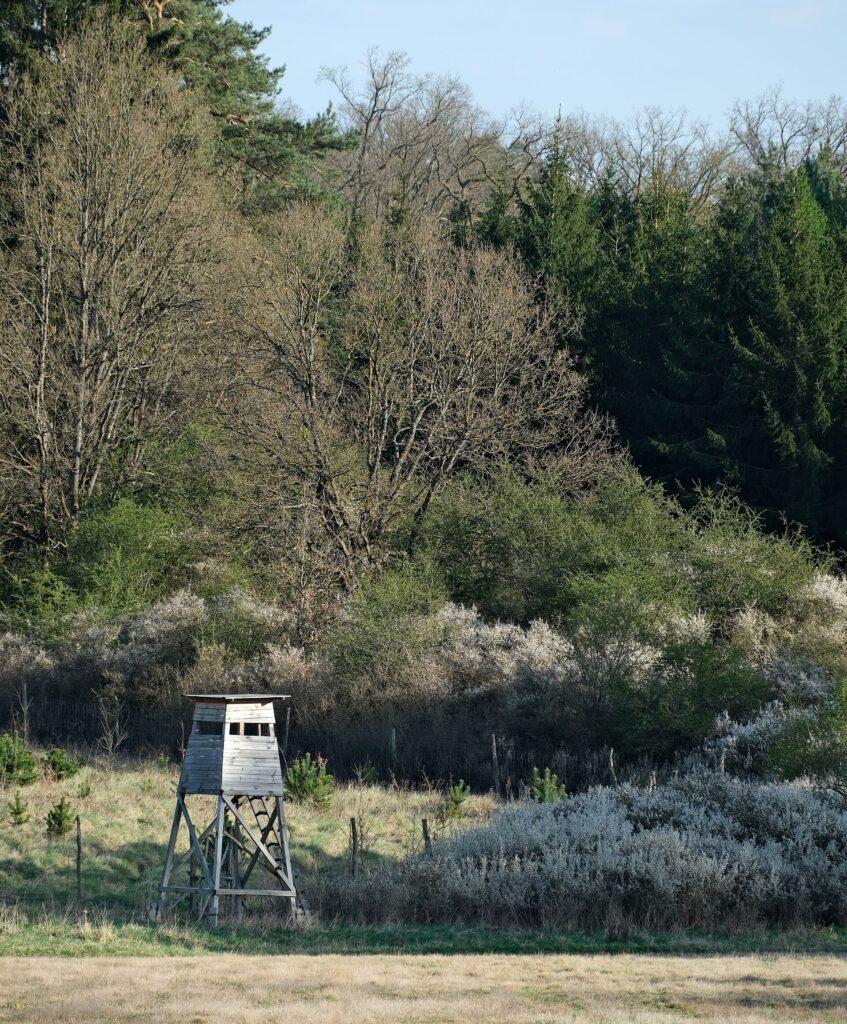
Falls from elevated stands are among the most preventable hunting injuries, yet many hunters skip the one piece of gear that stops them. Wildlife agencies repeat the same short list of habits each fall, and they work for ladder stands, hang-on stands and climbers alike.
Wear the harness and stay connected
A survey of bowhunters found that about one in four said they had fallen, or nearly fallen, from a stand. In another survey of gun deer hunters, roughly two-thirds of those who used tree stands had a harness at home, yet fewer than a third wore it. A harness only helps when it is on and attached.
A complete fall-arrest system has a full-body harness with shoulder, chest and leg straps, a strap around the tree, a short tether and a lifeline for climbing. Keep the tether short so it holds you in the seat rather than catching you after a fall, and stay clipped in from the moment your feet leave the dirt until they touch it again.
Climb with three points of contact
Always have either two hands and a foot, or two feet and a hand, touching the stand or ladder. Morning dew can make steps slippery, and rain, snow or ice make conditions worse. Skip the stand entirely if you are tired, sick or taking medication that affects alertness.
Raise gear on a haul line
Unload a firearm or bow before you climb, then lift it into the stand on a haul line, muzzle or points facing down. Never tie the line around a trigger or trigger guard. A haul line also works for a heavy pack and keeps both hands free for climbing.
Know about suspension trauma
After a fall, hanging in a harness can restrict blood flow from the legs in under twenty minutes and become life-threatening. A suspension relief strap lets you stand in a loop and take pressure off your legs. Practice with it at ground level so it is familiar.
Inspect and practice before the season
- Check the stand, straps, harness and lifeline for wear, rust and damage, and replace anything questionable. Harnesses carry expiration dates.
- Pick a straight, healthy tree that can support your weight.
- Read the manufacturer instructions and do not modify equipment.
- Practice setup, climbing and the fall-arrest system close to the ground with a responsible adult nearby.
- Tell someone where your stand is and when you plan to return, and carry a charged phone, whistle or other way to call for help.
Filed under: Washington DC Hunting News
More coverage: Washington DC hunting