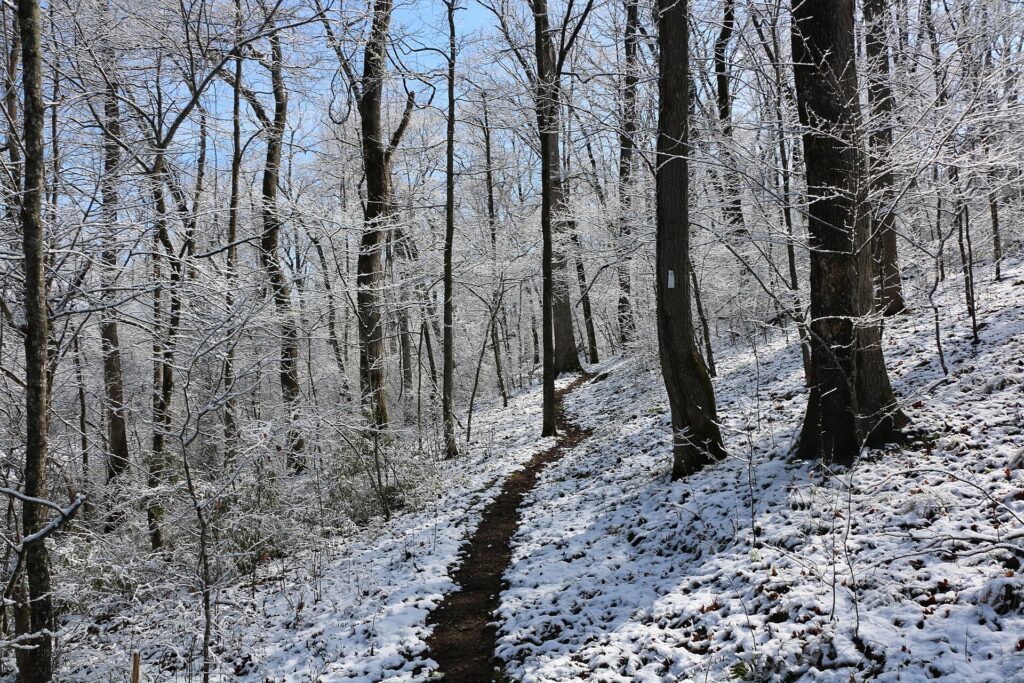
Late-season hunting means sitting still in the cold for hours, often before dawn. That combination makes heat loss easy to underestimate, and the danger does not require freezing temperatures.
Hypothermia can happen above freezing
Hypothermia occurs when the body loses heat faster than it can make it. Wet clothing and wind speed it up dramatically. Hunter education materials note that it can occur at temperatures as high as 50 degrees Fahrenheit if a person is wet and the wind is blowing. Because it comes on slowly and clouds thinking, the person affected may not realize anything is wrong.
Know the wind chill
The National Weather Service defines wind chill as how cold exposed skin feels when wind carries heat away. The index applies at temperatures of 50 degrees or below with wind above 3 miles per hour. Check the wind chill forecast, not just the air temperature, before you leave.
Dress in three layers
- A base layer that moves moisture away from the skin while holding warmth.
- A thicker insulating layer that traps warm air.
- An outer shell that blocks wind and water.
Remove layers as you warm up on the walk in, so sweat does not soak your clothing, and put them back on when you settle. Bring spare dry socks, gloves and a hat, and rain gear.
Watch for the early signs
Shivering, clumsiness, stiff fingers, stumbling, slurred speech and unusual behavior are early warnings. Later signs include confusion and loss of consciousness. Check on your hunting partners as well as yourself.
What to do
- Call 911 right away.
- Get the person out of the wind and into shelter, and remove wet clothing.
- Wrap them in dry clothing, blankets or a sleeping bag, and add gentle heat, taking care not to burn skin.
- Warm them gradually. Do not use hot water immersion, and avoid drinks with alcohol or caffeine.
- Offer warm drinks only if the person is fully awake and can swallow.
Frostbite, the freezing of skin on the nose, ears, cheeks, fingers or toes, is a separate risk in the same conditions. Cover exposed skin and head for warmth if numbness develops.
Filed under: Washington DC Hunting News
More coverage: Washington DC hunting