How Hunting Taxes and Licenses Fund Wildlife Restoration
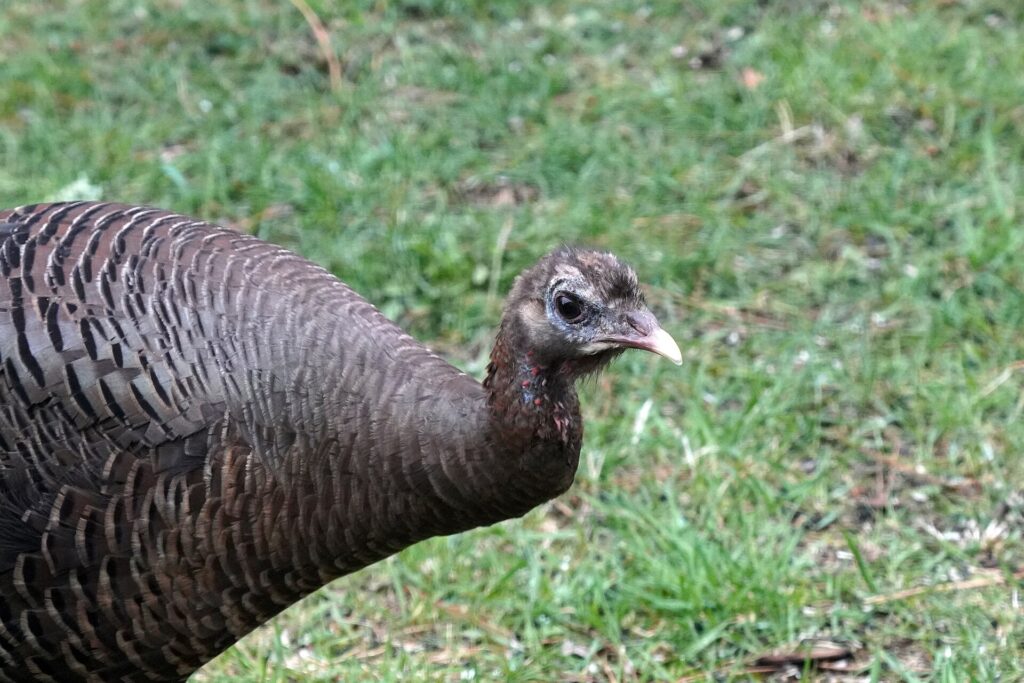
A large share of the money that rebuilds habitat and keeps hunting going in the United States does not come from the general Treasury. It comes from a long-running partnership among manufacturers, state wildlife agencies and the federal government. A Depression-era law that is still at work Congress created the Wildlife Restoration Program in 1937
What Hunter Education Courses Teach and Why They Matter
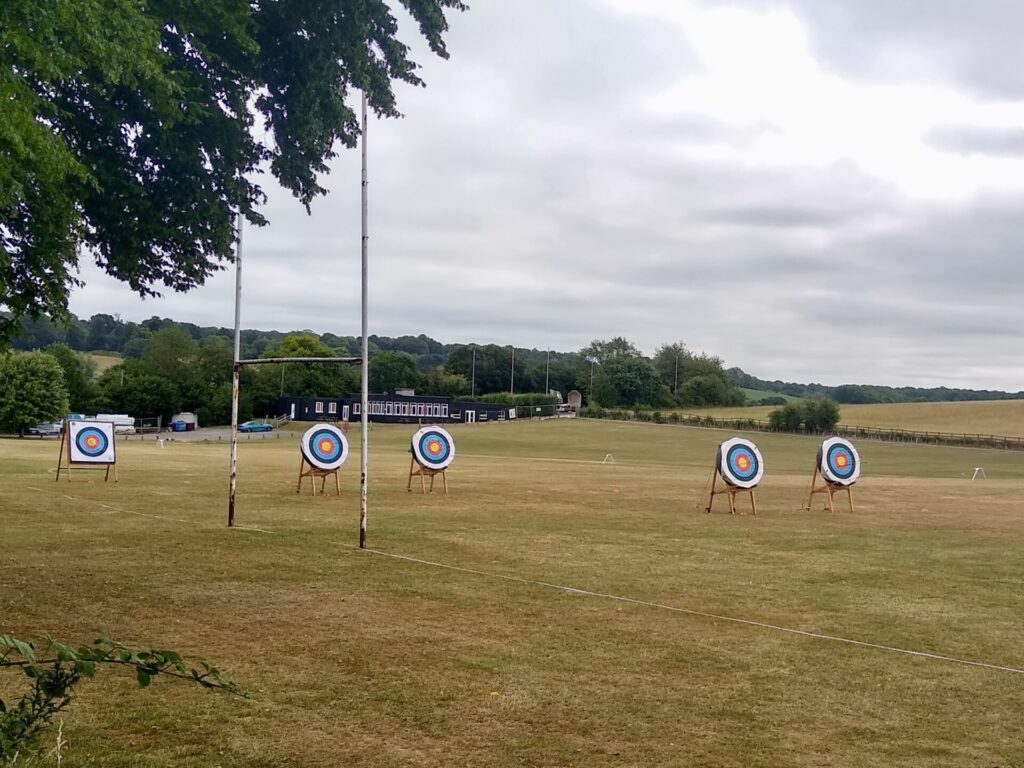
Most people who hunt for the first time are asked to complete a hunter education course before they can buy a license. The courses are less about rules and more about building habits that keep everyone in the field safe. What is covered Funding flows to state and territory programs that teach safe handling of
Cold Weather Hunting Safety and Hypothermia Basics
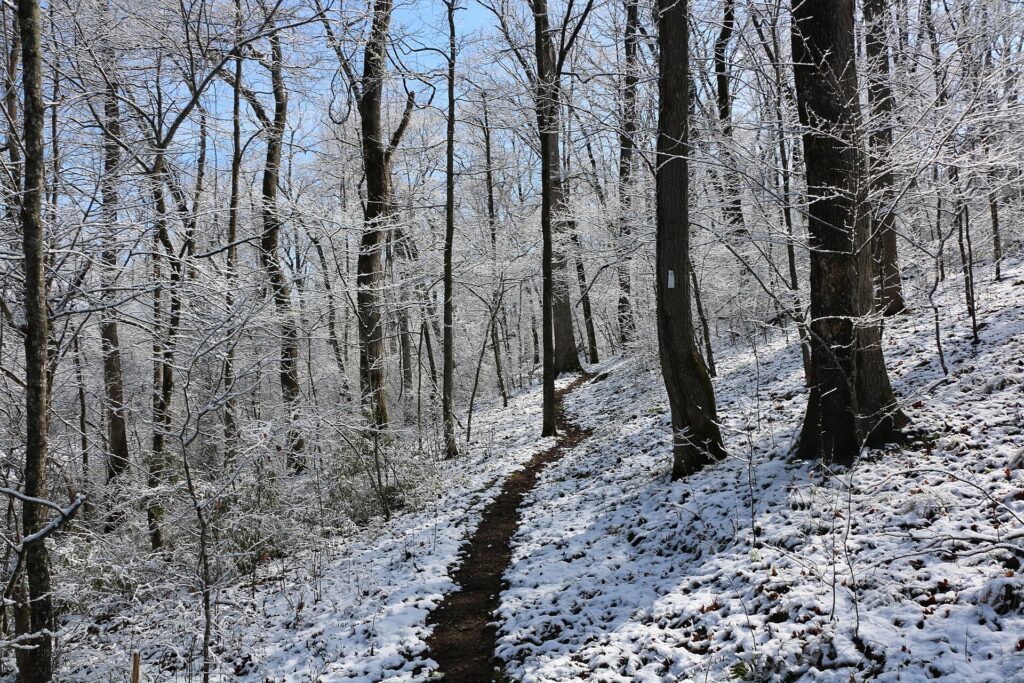
Late-season hunting means sitting still in the cold for hours, often before dawn. That combination makes heat loss easy to underestimate, and the danger does not require freezing temperatures. Hypothermia can happen above freezing Hypothermia occurs when the body loses heat faster than it can make it. Wet clothing and wind speed it up dramatically.
What to Carry in a Hunting Day Pack
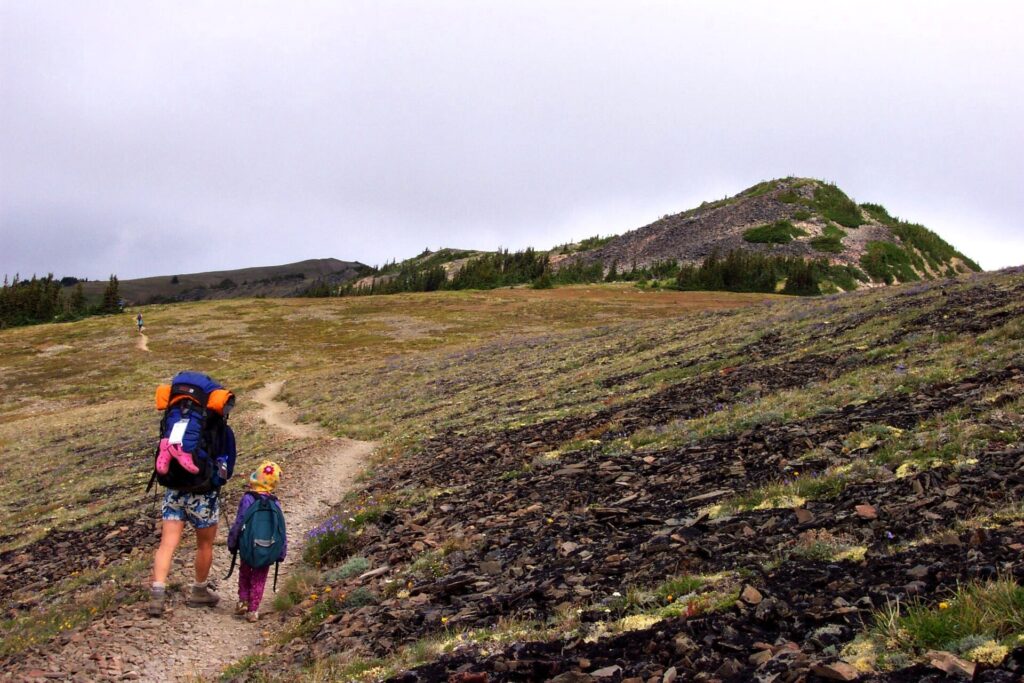
A day hunt can turn into a long night if the weather shifts, a trail gets confusing or someone is hurt. A compact pack built around the outdoor Ten Essentials covers most of what goes wrong, and it fits on a belt or in a small bag. Start with the essentials Navigation: a topographic map
What Your Federal Duck Stamp Pays for
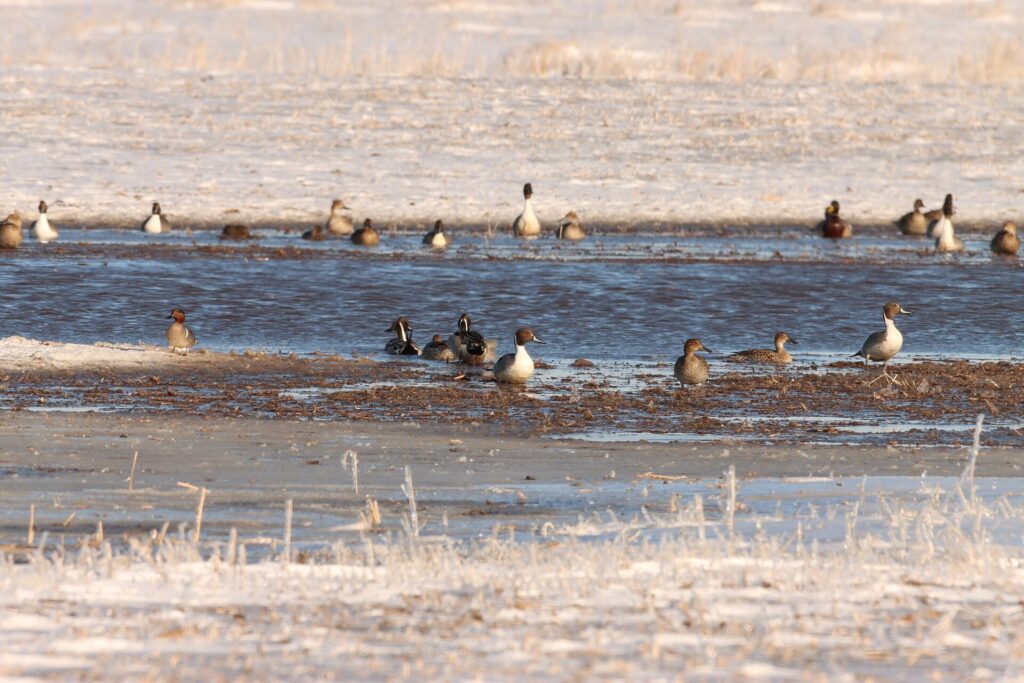
Every waterfowl season, hunters buy a small piece of paper that has become one of the most successful conservation funding tools in the country. The Federal Duck Stamp is part license, part habitat investment, and for many people part collectible. Who needs one Anyone 16 or older who hunts migratory waterfowl must have a current
Field to Table Food Safety for Venison and Wild Game
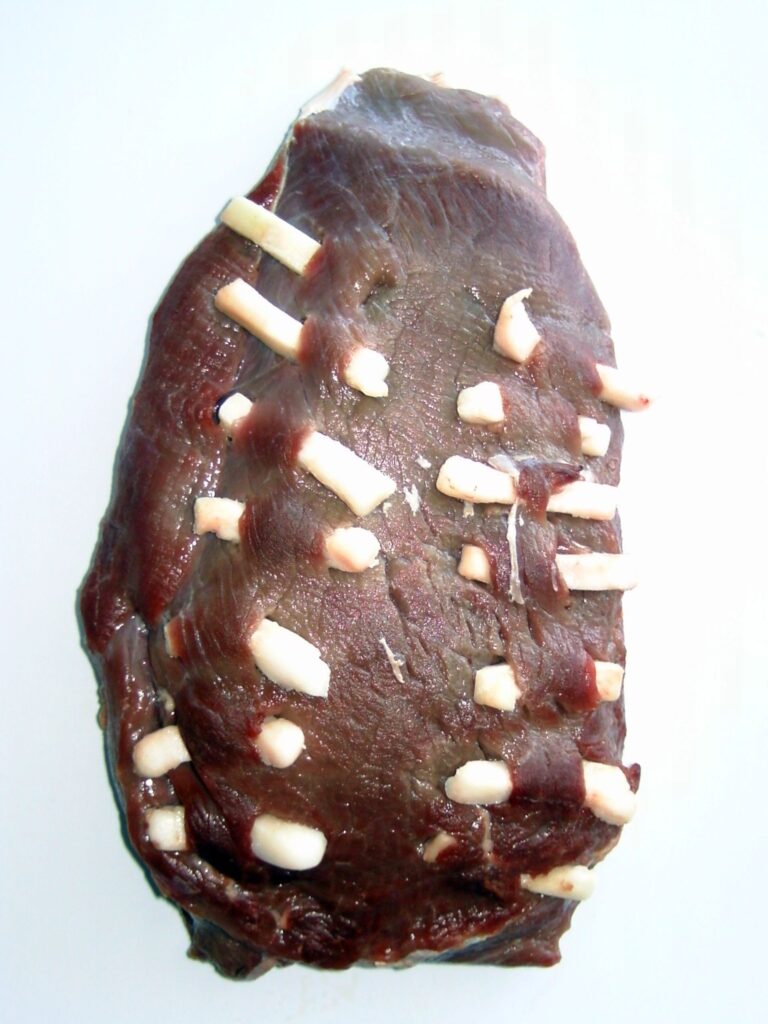
Good venison starts with what happens in the first hour after the harvest. Extension programs that teach game handling stress the same ideas: keep the meat cool, keep it clean and cook it to a measured temperature. In the field Dress the animal as soon as you can so body heat leaves quickly, and wear
Tree Stand Safety Habits That Prevent Falls
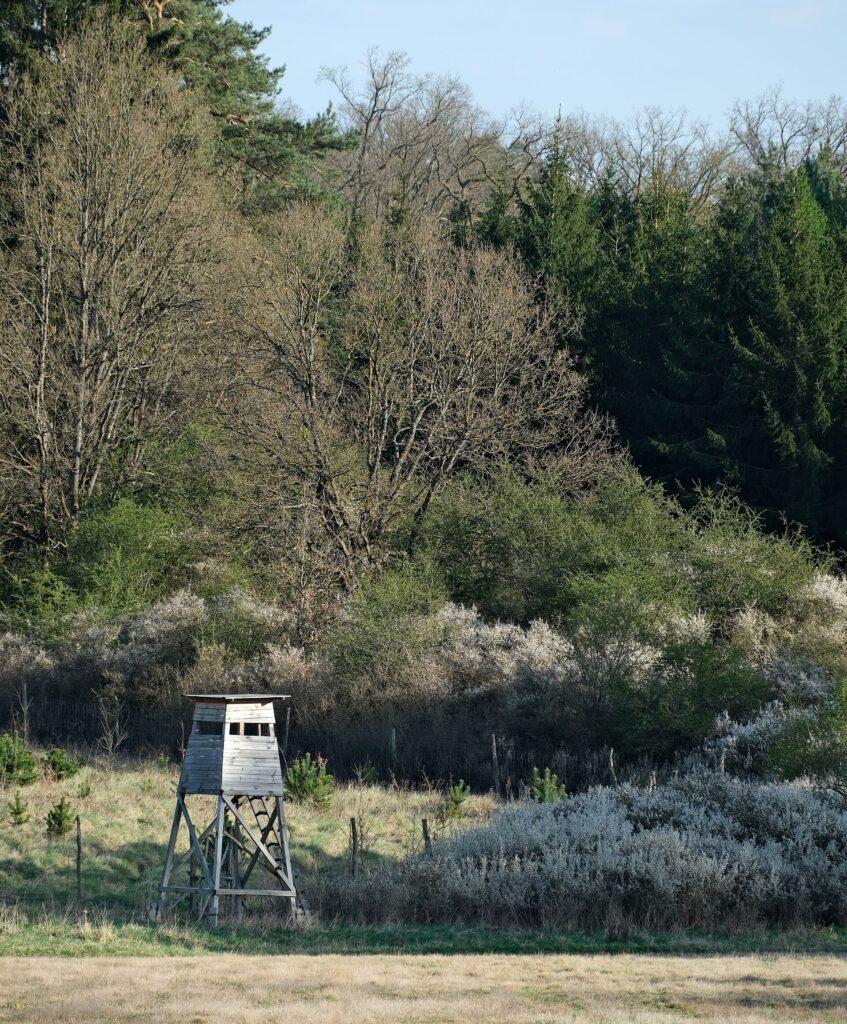
Falls from elevated stands are among the most preventable hunting injuries, yet many hunters skip the one piece of gear that stops them. Wildlife agencies repeat the same short list of habits each fall, and they work for ladder stands, hang-on stands and climbers alike. Wear the harness and stay connected A survey of bowhunters
Four Firearm Safety Rules Every Hunter Should Know
Hunter education programs in every state teach the same short list of firearm rules. Wildlife agencies say that nearly all hunting incidents trace back to breaking at least one of them, which is why instructors drill them until they become habit. 1. Assume every gun is loaded Never take it for granted that a gun
Why Hunters Wear Orange and What It Does for Safety
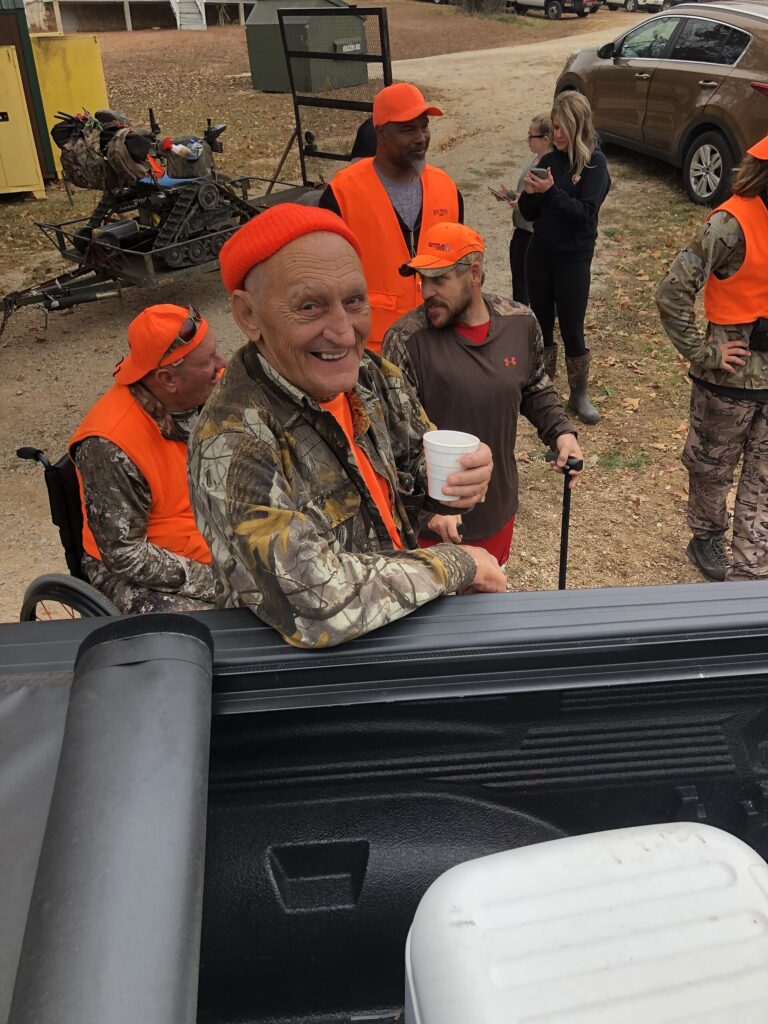
Fluorescent orange is the most recognizable piece of hunting gear, and it exists for one reason: to make sure other people in the woods can see you. State wildlife agencies keep repeating the message every fall, because the habit prevents injuries. Seen by people, overlooked by deer The most common worry is that orange will